The Shop Market
This project involved a full digital marketing assessment for a locally owned bike shop operating in a small Upper Peninsula Michigan city with a population of just over 21,000. Despite being embedded in the community and running a solid operation, the business had untapped digital marketing potential that was limiting its reach particularly with tourists, who represent the largest driver of peak-season revenue. My goal was to audit their current strategy, identify gaps, and develop a set of actionable recommendations to grow their digital presence and customer engagement.
Who They Are
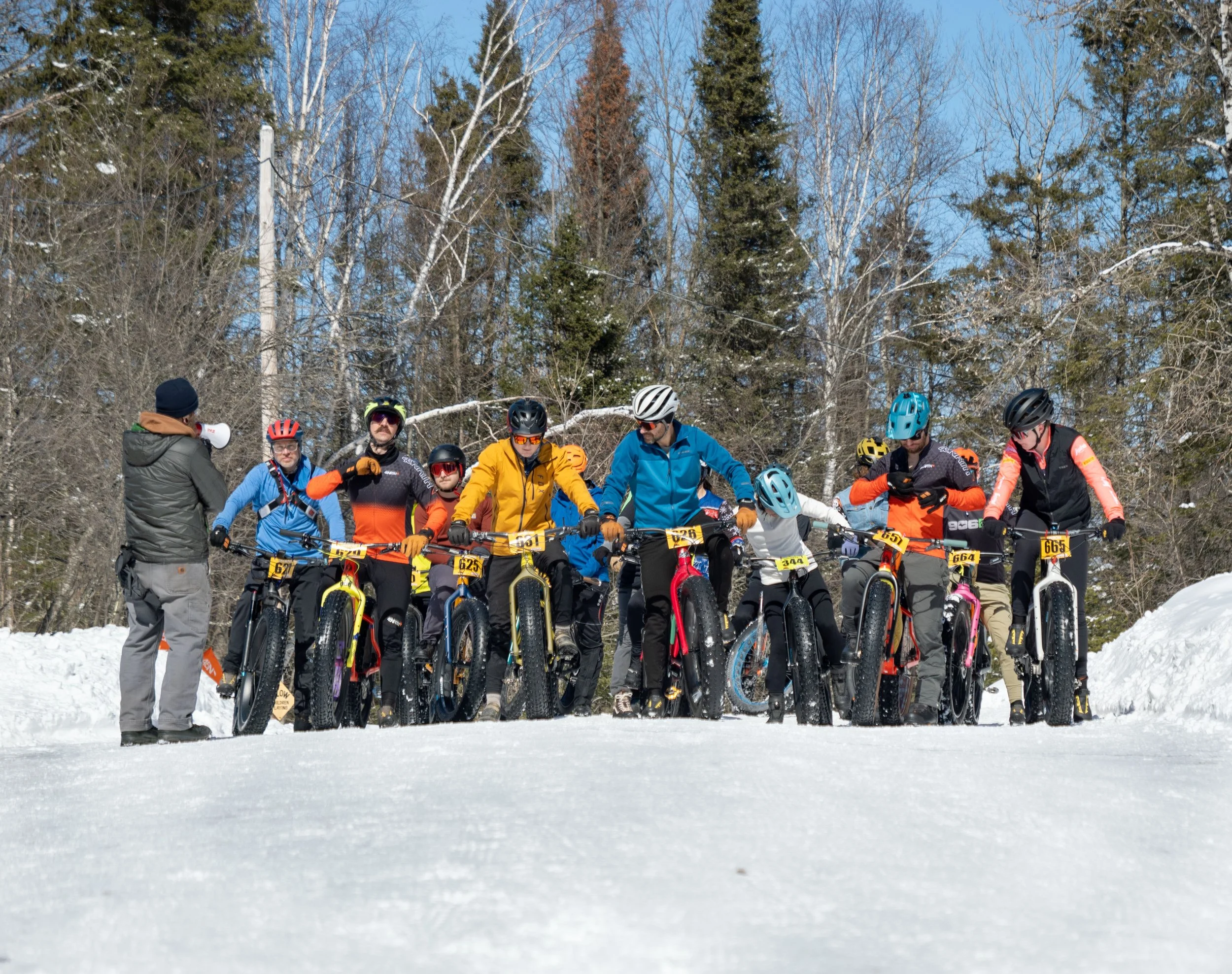
Quick Stop offers bike sales, repair services, parts, apparel, and runs weekly community group rides. They are active locally — participating in community events and business organizations and have built genuine brand loyalty among their regulars. Their target market spans ages 20 to 75, is approximately 75% male, and includes both local residents and seasonal visitors.
Their busiest period is summer, which aligns with the city's tourist season. While the local population provides a reliable baseline year-round, the data was clear: tourists are the primary driver of high-volume sales, making digital visibility and discoverability a strategic priority.
The Shops Current Practices
Going in, Quick Stop had a functional website, active Instagram and Facebook accounts, an email marketing sequence, and a relationship with a local newspaper for promotional coverage. These are solid foundations, but each channel had room to perform better. Their email marketing showed real strategic thinking: new customers received a welcome message, follow-up emails triggered every three purchases, and a 30-day post-purchase review request went out after bike sales. The framework was there; the opportunity was in expanding and refining it.
Their social media was being used primarily for operational updates, hours, sales, ride announcements paired with some community-facing content like trail photos and volunteer work. The content wasn't building an audience so much as informing an existing one. There was no real strategy driving growth or engagement. The website, while comprehensive, had usability issues. Navigation required too many clicks to find key information, some pages were dense with text, and it had not been optimized for mobile users, a significant gap when the target audience includes tourists actively searching on their phones.
Understanding The Bike Market
The local bike market is 60-70% male-dominated, with strong demand in two key categories: mountain bikes, MTB apparel, and accessories (the primary profit driver for outdoor retailers in the region), and a rapidly growing E-bike segment that represents an emerging opportunity. Understanding this split was important for shaping both content strategy and product emphasis in Quick Stop's digital marketing.The city draws hundreds of thousands of visitors annually, many passing through rather than staying. Capturing that audience requires showing up where they're searching — which means SEO and discoverability matter as much as the social content itself.
Strategy Suggestions
The core of my recommendations centered on three areas: social media, SEO, and website performance.
On social media, the priority was shifting Quick Stop from passive updates to active community building. Consistent, intentional content, trail features, ride recaps, gear spotlights, and local riding culture that positions the shop as a resource, not just a retailer. I also identified TikTok as an underutilized channel with strong organic reach potential, particularly for short-form video of riders on local trails. Given the visual nature of the sport and the outdoor setting, this is content that performs well without requiring a large production budget.
On SEO, Quick Stop had no formal optimization strategy in place. My recommendation was to implement white hat SEO practices — keyword research aligned to how tourists and local riders search for bike shops, trail access, and gear alongside a content blog. A regularly updated blog covering local trail guides, riding tips, and gear advice serves double duty: it builds search visibility while providing genuine value to the exact audience the shop wants to reach.
On the website, the immediate priorities were mobile optimization and simplifying the navigation structure. A tourist looking up a bike shop from their phone needs to find hours, services, and location in seconds. Reducing friction there directly impacts foot traffic.
Takeaways
What stood out about Quick Stop was that the bones were already good. The community trust, the events presence, the email infrastructure, these aren't easy things to build. The gap was in connecting that strong offline reputation to a digital presence that could scale it. With focused investment in SEO, content, and social strategy, Quick Stop has a clear path to growing its reach with the tourist demographic that drives its peak revenue, without losing the local authenticity that makes it worth visiting in the first place.
